

Characteristics and uses of Chlorine Dioxide

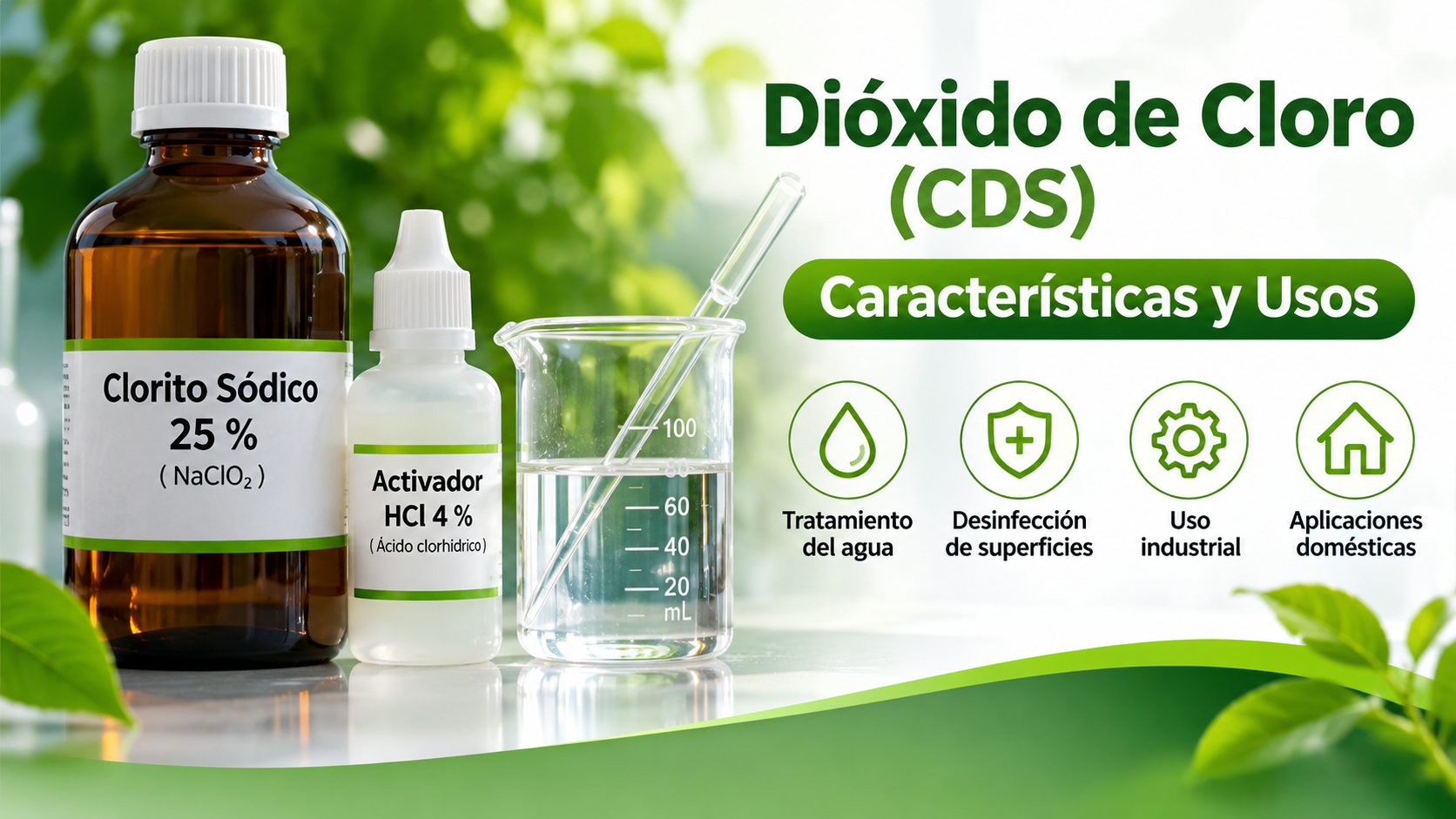
The characteristics and uses of chlorine dioxide (ClO₂) have attracted interest due to its oxidizing properties and its applications in water treatment and disinfection processes. This chemical compound is used in different professional settings under controlled conditions. In this article, we explain what chlorine dioxide is, its main properties, and its applications.
What is Chlorine Dioxide?
Chlorine dioxide (ClO₂) is a chemical compound consisting of one chlorine atom (Cl) and two oxygen atoms (O). At room temperature, chlorine dioxide is a yellowish-green gas with strong oxidizing properties.
You may also be interested in: Learn more about chlorine dioxide and its applications in our article “How Is Chlorine Dioxide Prepared?”.
What are the characteristics of Chlorine Dioxide?
Chlorine dioxide has several properties that distinguish it from other chemical compounds used for similar purposes. These characteristics are important for understanding its different applications. The main properties of chlorine dioxide include:
- Solubility: Chlorine dioxide dissolves in water, and its solubility generally increases at lower temperatures.
- Photosensitivity: Exposure to ultraviolet light can cause chlorine dioxide to decompose, reducing its stability and effectiveness.
- Density: Chlorine dioxide gas is denser than air. Its physical properties depend on temperature and pressure.
- Liquefaction: Chlorine dioxide can be liquefied under controlled temperature and pressure conditions, although its instability requires special safety precautions.
- Instability: Chlorine dioxide is an unstable compound that can decompose violently under certain conditions, especially at high concentrations.
- Volatility: Although chlorine dioxide can dissolve in water, it remains a volatile compound. This property allows it to be used in certain antimicrobial applications.
- Synthetic: Chlorine dioxide is generally produced through chemical processes and is not normally found in nature in significant quantities.
What are the main uses of Chlorine Dioxide?
As a result of the characteristics mentioned above, chlorine dioxide is used in a wide range of processes and applications to control microorganisms. Some of these include:
- Water treatment: Chlorine dioxide is commonly used in controlled water treatment processes to reduce certain microorganisms, including bacteria and viruses. Sodium chlorite can be used as a precursor in authorized chlorine dioxide generation processes. Its application requires appropriate concentrations, safety measures and compliance with applicable regulations. Chlorine dioxide and concentrated sodium chlorite solutions should not be ingested as health treatments.
- Medical equipment disinfection: Chlorine dioxide can be used in certain professional disinfection and decontamination processes involving medical equipment and facilities. Its effectiveness depends on the concentration, exposure time and validated procedures. Disinfection does not necessarily guarantee sterilization.
- Product manufacturing: Chlorine dioxide and related compounds may be used in certain specialized hygiene and industrial products, subject to applicable regulations and product authorizations.
- Insect repellents: Claims about the safety and effectiveness of chlorine dioxide in insect repellents require evidence and appropriate regulatory authorization. It should not be assumed to be safe for direct application to the skin.
In addition to the applications mentioned above, chlorine dioxide is used in certain industrial processes, including pulp and paper bleaching, water system treatment and specialized environmental decontamination.
Information About Chlorine Dioxide in Europe
For more information about the characteristics, chemical properties and regulated uses of chlorine dioxide, you can consult the European Chemicals Agency (ECHA), which provides information on chemical substances and biocidal products in the European Union.